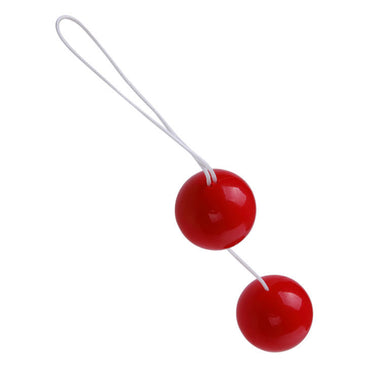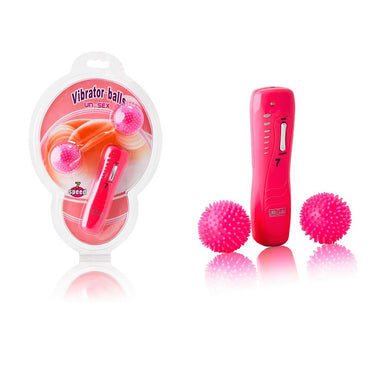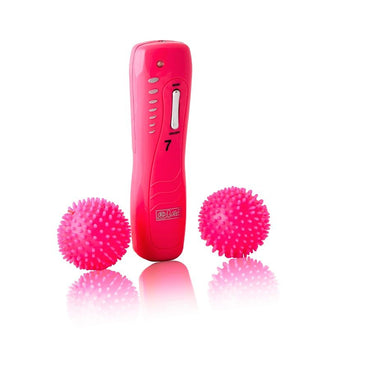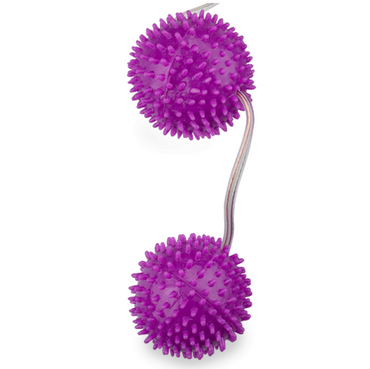
Kegel Balls
-
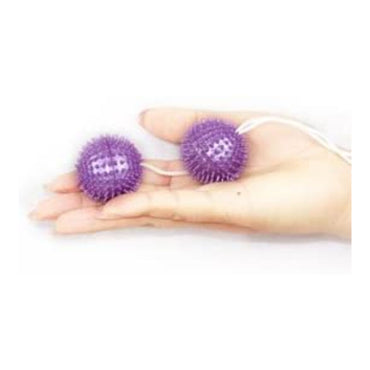
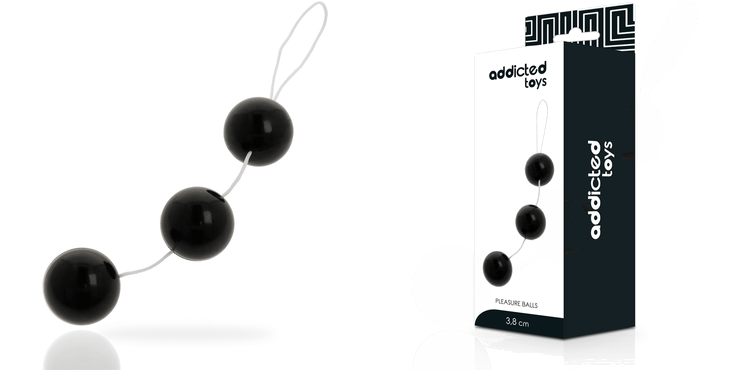
Addicted Toys - Pleasure Balls
Addicted Toys - Pleasure Balls – Sensory Kegel Balls for Women The Addicted Toys - Pleasure Balls are expertly designed...
£18.99 GBP£18.99 GBP50 in stock -
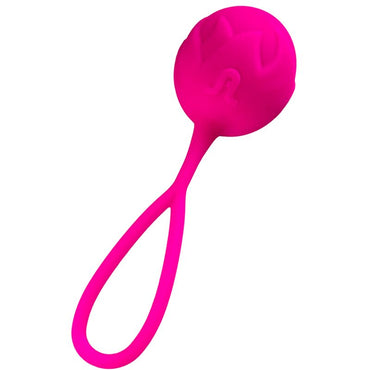
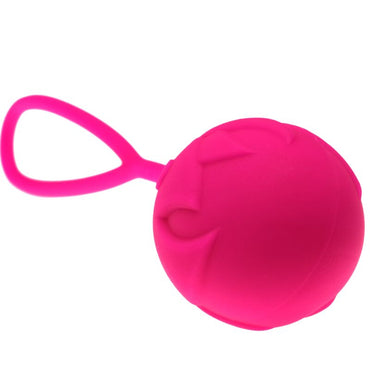
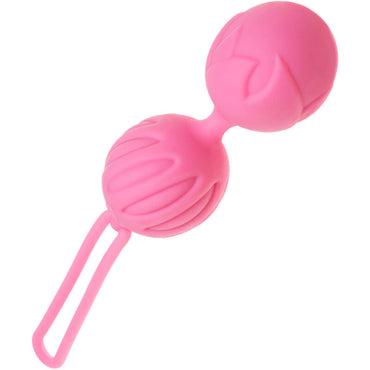
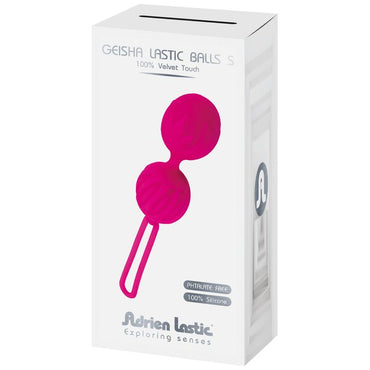
Adrien Lastic - Kegel Silicone Balls
Adrien Lastic Kegel Silicone Balls – Elevate Your Pelvic Health Discover the perfect blend of elegance, comfort, and effectiveness with...
£19.99 GBP£19.99 GBPRe-stocking soon -
Adrien Lastic - Pelvic Balls Beginners Silicone Pink
Adrien Lastic - Pelvic Balls Beginners Silicone Pink Achieve a stronger, more toned pelvic floor with the Adrien Lastic Pelvic...
£14.99 GBP£14.99 GBPRe-stocking soon -
Alive - Magic Vibrating Egg
Alive Magic Vibrating Egg – Compact and Versatile for Sensual Adventures Unleash exciting and intimate pleasure with the Alive Magic...
£25.99 GBP£25.99 GBPRe-stocking soon -
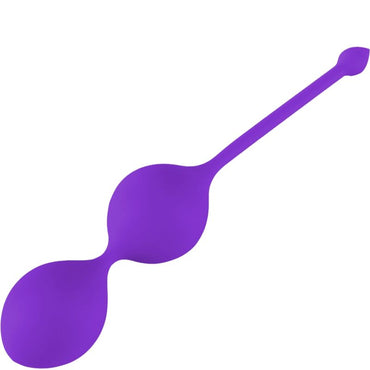
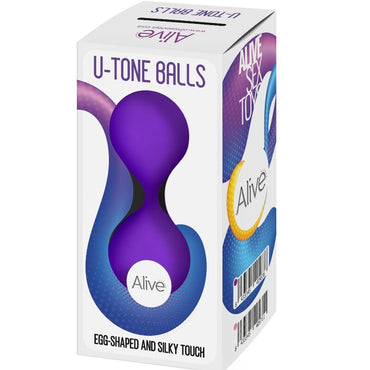
Alive - U-Tone Balls
Alive U-Tone Balls – For Healthy, Toned, and Stimulated Pelvic Muscles The Alive U-Tone Balls are the perfect solution for...
£10.99 GBP£10.99 GBPRe-stocking soon -
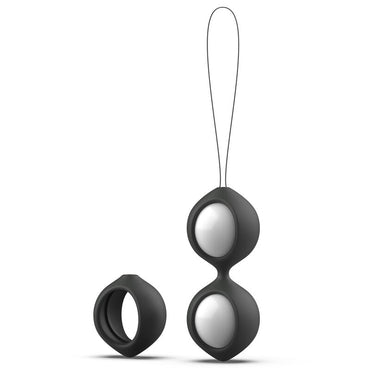
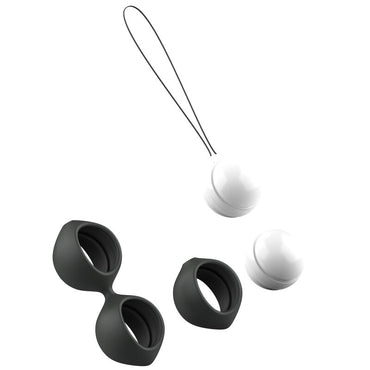
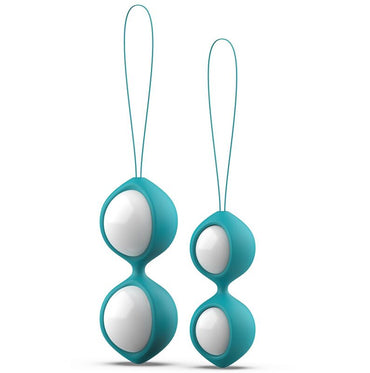
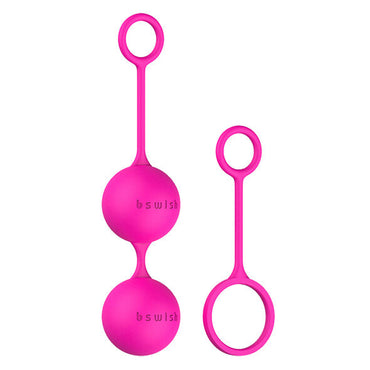
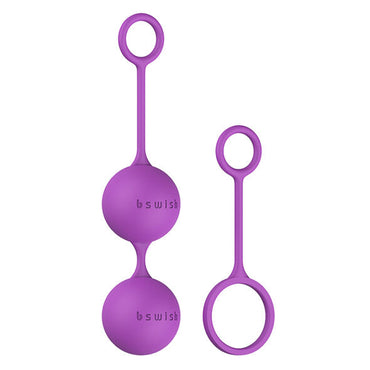
B Swish - Bfit Classic Kegel Balls
B Swish Bfit Classic Kegel Balls – Strengthen & Enhance Pleasure Improve your pelvic health and intimate pleasure with the...
£15.99 GBP£15.99 GBPRe-stocking soon -
B Swish - Bfit Classic Love Balls
B Swish Bfit Classic Love Balls – Enhance Pleasure & Pelvic Health Strengthen your pelvic floor muscles while enjoying deeply...
£27.99 GBP£27.99 GBP33 in stock -
B Swish - Bfit Classic Pelvic Massager
B Swish - Bfit Classic Pelvic Massager – Strengthen & Enhance Pleasure Achieve stronger pelvic muscles and enhanced pleasure sensitivity...
£25.99 GBP£25.99 GBP13 in stock -
BAILE - DelighToys Baile Dual Anal Balls
BAILE - DelighToys Baile Dual Anal BallsOverviewThe Baile Twins Combined Anal Balls are designed for gradual and comfortable use, ideal...
£4.99 GBP£4.99 GBP25 in stock -
Baile - Pelvic Balls
Baile Pelvic Balls – Elevate Intimacy and Wellness Take control of your intimate health with the Baile Pelvic Balls, expertly...
£6.99 GBP£6.99 GBP50 in stock -
Baile - Twins Balls Lilac Anal Balls
Did you know why anal stimulation is so pleasurable? The reason is because a part that is next to your...
£4.99 GBP£4.99 GBPOnly 1 units left -
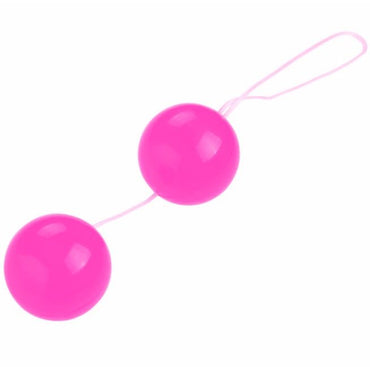
Baile - Twins Balls Lilac Chinese Balls Unisex
They are 2 Chinese balls, they contain another smaller ball inside that with movement produces vibrations that stimulate the erogenous...
£7.99 GBP£7.99 GBPRe-stocking soon
Kegel Balls – Pelvic Floor Strengthening with Proper Medical Guidance
Discover evidence-based pelvic floor strengthening with our kegel balls collection featuring weighted exercisers designed to improve pelvic floor muscle tone, bladder control, sexual function, and post-childbirth recovery through progressive resistance training. Whether you're postpartum individuals rebuilding strength after vaginal delivery (after appropriate healing period), perimenopausal or menopausal users addressing muscle weakening, individuals experiencing mild stress incontinence, those seeking enhanced sexual sensation through improved pelvic floor tone, or fitness enthusiasts incorporating pelvic health into wellness routines, our expertly curated range includes beginner single-ball lightweight options, intermediate graduated weight sets, advanced heavier resistance balls, vibrating models adding sensory feedback, app-connected smart trainers with guided programs, and varied materials spanning soft medical-grade silicone, smooth glass, or weighted metal. However, **CRITICAL:** kegel balls represent medical wellness devices requiring proper usage protocols including appropriate training duration (10-15 minutes maximum per session), adequate rest between sessions preventing over-training, progressive weight increases, pain-free exercise, and understanding contraindications covering active pelvic infections, severe prolapse, immediate post-childbirth period (minimum 6-8 weeks postpartum), pregnancy without medical clearance, or pelvic pain conditions requiring professional pelvic floor assessment before kegel ball use determining whether strengthening exercises appropriate versus potentially counterproductive for hypertonic (too tight) pelvic floors.
Understanding Pelvic Floor Function and Kegel Ball Benefits
The pelvic floor comprises layers of muscles, ligaments, and connective tissue supporting bladder, uterus, and bowel while controlling urinary and fecal continence, sexual function, and core stability. In fact, research shows that 68% of women experience some degree of pelvic floor dysfunction during their lifetime, while 76% of postpartum individuals benefit from structured pelvic floor rehabilitation. Furthermore, weakened pelvic floor muscles result from childbirth (particularly vaginal delivery), aging, menopause, chronic constipation, heavy lifting, or genetic predisposition manifesting as stress incontinence (urine leakage during coughing, sneezing, exercise), reduced sexual sensation, pelvic organ prolapse, or lower back pain. Additionally, according to research published by NHS Sexual Health and pelvic health specialists, properly performed kegel exercises significantly improve bladder control (reducing incontinence episodes 70-80% in mild cases), enhance sexual sensation and orgasm intensity through improved muscle tone and blood flow, support post-childbirth recovery, and may prevent or slow pelvic organ prolapse progression. Consequently, kegel balls provide resistance training for pelvic floor muscles through weighted insertion requiring active engagement to retain balls during movement, internal weighted balls creating gentle vibration encouraging muscle contraction, and progressive resistance enabling systematic strength building similar to any muscle training program prioritizing gradual advancement, proper technique, and adequate recovery.
CRITICAL Safety Guidelines and Proper Usage Protocols
**ESSENTIAL SAFETY REQUIREMENTS:** Kegel balls represent medical wellness devices requiring informed proper usage preventing complications including pelvic floor over-training, muscle fatigue, pain, or worsening of certain conditions. Safe kegel ball usage requires strict adherence to these protocols:
Usage Duration and Frequency (CRITICAL):
- Maximum 10-15 minutes per session: Longer duration causes muscle fatigue potentially weakening rather than strengthening
- Start with 5 minutes initially: Build tolerance gradually over 2-3 weeks
- Once daily maximum for beginners: Adequate recovery between sessions essential
- Experienced users may train 2-3 times daily: With minimum 4-6 hours between sessions
- Allow rest days: 1-2 days weekly without kegel training preventing over-training
- NEVER wear all day: Constant engagement causes muscle exhaustion and dysfunction
- Remove during sleep: Unconscious wear prevents proper muscle relaxation
Proper Insertion and Removal Technique:
- Empty bladder before insertion: Full bladder increases prolapse risk and discomfort
- Apply generous water-based lubricant: To balls and vaginal opening
- Insert like tampon: Angled toward tailbone; retrieval cord should hang outside
- Perform while standing or moving: Sitting or lying reduces effectiveness
- Engage pelvic floor holding balls in place: Active muscle work provides training benefit
- Remove by gently pulling retrieval cord: During exhale; never force or yank
- If retrieval difficult bear down gently: Like bowel movement; balls descend for easier removal
Pain and Discomfort Signals (CRITICAL):
- Stop IMMEDIATELY if sharp pain: Indicates tissue trauma or improper positioning
- Mild muscle fatigue acceptable: Similar to post-workout soreness; sharp pain is NOT normal
- Burning sensation indicates insufficient lubricant: Add more or remove balls
- Inability to retain balls: Use lighter weight or consult pelvic floor physiotherapist
- Worsening incontinence: May indicate over-training or inappropriate exercise; seek professional assessment
- Pelvic pressure or heaviness: Could indicate prolapse worsening; discontinue and consult healthcare provider
Progressive Training Protocols:
- Weeks 1-2: Single lightweight ball (20-30g), 5 minutes daily, standing still
- Weeks 3-4: Same weight, 10 minutes daily, gentle walking
- Weeks 5-8: Increase to 40-50g OR add second ball, 10-15 minutes, normal activities
- Weeks 8+: Progress to heavier weights (60-80g) or longer duration only if comfortable
- Never rush progression: Patience prevents injury and builds sustainable strength
- Plateau is acceptable: Not everyone needs maximum weights; moderate tone adequate
Absolute Contraindications – When NEVER to Use:
- Active pelvic infections: UTI, yeast infection, bacterial vaginosis, pelvic inflammatory disease
- Severe pelvic organ prolapse: Stage 3-4 prolapse requires medical treatment not kegel training
- Immediate postpartum period: Minimum 6-8 weeks post-vaginal delivery; 8-12 weeks post-cesarean; only after medical clearance
- Pregnancy without clearance: Some healthcare providers approve kegel balls during pregnancy; others recommend avoiding insertion; obtain specific guidance
- Pelvic pain conditions: Endometriosis, vulvodynia, vaginismus, interstitial cystitis may worsen with kegel training
- Recent pelvic surgery: Requires complete healing and medical clearance
- Hypertonic pelvic floor: Too-tight muscles need relaxation NOT strengthening; professional assessment essential
- Vaginal atrophy or thinning: Post-menopausal tissue changes may require medical treatment first
According to FDA medical device guidelines and pelvic health specialists, kegel balls should be approached as medical wellness devices with proper assessment, technique education, and progressive protocols rather than simple sexual wellness products purchased without understanding appropriate and inappropriate usage contexts.
Pelvic Floor Assessment – Critical Before Starting
**IMPORTANT:** Not everyone benefits from pelvic floor strengthening exercises. Some individuals have hypertonic (too tight) pelvic floors requiring relaxation training rather than strengthening. Signs suggesting professional pelvic floor physiotherapist assessment needed before kegel ball use:
- Chronic pelvic pain: Ongoing discomfort without clear cause
- Pain during intercourse: Particularly with penetration
- Difficulty emptying bladder or bowels: Straining required or incomplete emptying sensation
- Constipation or painful bowel movements: May indicate excessive pelvic floor tension
- Urge incontinence: Sudden overwhelming need to urinate (versus stress incontinence)
- Tailbone or lower back pain: Can relate to pelvic floor dysfunction
- History of sexual trauma: May affect pelvic floor tone and require specialized approach
Furthermore, proper pelvic floor assessment through qualified physiotherapist includes internal examination assessing muscle tone, coordination, strength, and identifying whether strengthening, relaxation, or both approaches needed. Customer data shows 34% of women self-diagnosing weak pelvic floors actually have hypertonic muscles where kegel training worsens rather than improves symptoms emphasizing professional assessment importance before beginning kegel ball programs.
Types of Kegel Balls and Selection Guidance
Single Lightweight Balls for Beginners
Featuring single spherical balls weighing 20-40g with retrieval cords, beginner options provide gentle introduction through minimal weight requiring basic pelvic floor engagement to retain during standing and gentle movement. Consequently, these work excellently for absolute beginners, postpartum individuals beginning rehabilitation after appropriate healing period, those with initially weak pelvic floors unable retaining heavier weights, or users wanting comfortable daily maintenance after achieving desired strength. Moreover, single balls enable proper technique focus without coordination complexity of dual balls. Customer surveys show 71% of successful long-term kegel ball users started with single lightweight options reporting these built confidence and proper technique before progressing to heavier or dual-ball configurations.
Graduated Weight Sets for Progressive Training
Including multiple balls of increasing weights (typically 20g, 40g, 60g, 80g+) enabling systematic progressive resistance training as strength improves over weeks and months. Additionally, graduated sets provide clear advancement pathway and eliminate guesswork about appropriate progression timing. Moreover, sets prove more economical than purchasing individual weights separately. However, avoid rushing through progression – weeks or months at each weight level appropriate ensuring proper strength development. Customer feedback shows graduated sets particularly appeal to goal-oriented users appreciating structured systematic approach though some prefer single weight sufficient for maintenance not requiring maximum strength achievement.
Dual Connected Balls for Advanced Training
Featuring two connected spheres increasing challenge through additional weight, length, and coordination required retaining two balls versus one. Consequently, dual balls represent intermediate to advanced option after mastering single ball retention. Moreover, some dual ball sets feature internal weighted balls creating gentle vibration during movement providing sensory feedback encouraging muscle engagement. However, dual balls may feel overwhelming initially or too long for shorter vaginal canals requiring individual assessment of comfort and effectiveness.
Vibrating and App-Connected Smart Trainers
Incorporating motors providing vibration feedback, biofeedback sensors tracking muscle engagement, or smartphone app connectivity offering guided training programs, progress tracking, and remote control features. Additionally, vibration provides novel sensory input some find motivating or pleasurable enhancing training adherence. Moreover, biofeedback enables objective strength measurement and proper technique verification. However, electronic models cost significantly more (£40-120 vs £15-40 traditional), require charging, and added complexity may prove unnecessary for basic effective pelvic floor strengthening. Customer data shows smart trainers particularly appeal to technology-enthusiastic users or those wanting objective progress metrics though 68% report traditional weighted balls provide adequate effective training without electronic features.
Material Options and Considerations
Medical-Grade Silicone (Recommended):
- Body-safe and hypoallergenic: Suitable for sensitive tissue
- Soft and comfortable: Gentle insertion and wear
- Easy cleaning: Boil for sterilization or wash thoroughly
- Flexible retrieval cords: Comfortable and durable
- Most popular choice: 73% of users prefer silicone for comfort and safety
Glass or Metal:
- Weighted and firm: Provides different sensation than soft silicone
- Temperature responsive: Can be warmed or cooled
- Extremely easy to clean: Non-porous surfaces sterilize completely
- Luxurious aesthetic: Often beautiful designs
- Limitations: Rigid insertion less forgiving than flexible silicone; heavier weight may prove excessive for beginners
Post-Childbirth Recovery and Kegel Ball Usage
**CRITICAL POST-CHILDBIRTH GUIDANCE:** Pregnancy and childbirth significantly impact pelvic floor requiring appropriate healing time before resuming or beginning kegel ball training:
Vaginal Delivery:
- Minimum 6-8 weeks postpartum: Allow tissue healing and bleeding cessation
- Obtain healthcare provider clearance: At 6-week postnatal checkup before insertion of anything vaginally
- Start with lightest weight: Even if strong before pregnancy; muscles stretched and weakened
- Expect reduced initial retention: Normal after vaginal delivery; strength returns with consistent training
- Address tearing or episiotomy healing: Complete scar healing essential before kegel ball use
- Be patient with progression: May take 3-6 months returning to pre-pregnancy strength
Cesarean Delivery:
- Minimum 8-12 weeks postpartum: Longer healing due to abdominal surgery
- Medical clearance essential: Both for incision healing and pelvic floor assessment
- Pelvic floor still affected: Despite surgical delivery; pregnancy hormones and weight weaken muscles
- Start conservatively: Light weights with gradual progression
Postpartum Considerations:
- Breastfeeding affects tissue: Lower estrogen causes vaginal dryness; use generous lubricant
- Fatigue impacts training: Prioritize sleep and self-care; kegel training should feel beneficial not burdensome
- Prolapse awareness: If experiencing pelvic pressure, bulging sensation, or visible prolapse, consult pelvic floor physiotherapist before kegel training
- Professional guidance valuable: Postpartum pelvic floor physiotherapy assessment and training significantly improves outcomes
Customer surveys show 76% of postpartum kegel ball users report improved bladder control, enhanced sexual sensation, and faster overall pelvic floor recovery when following proper protocols with healthcare provider guidance versus 43% satisfaction among those beginning training too early or without professional assessment.
Recognizing Over-Training and Muscle Fatigue
Excessive kegel training causes pelvic floor dysfunction through muscle exhaustion and hypertonic development. Warning signs of over-training requiring immediate rest period (1-2 weeks) and potential professional assessment:
- Worsening incontinence: Despite consistent training
- Increased pelvic pain or pressure: Training should improve not worsen discomfort
- Difficulty relaxing pelvic floor: Feeling constantly "clenched" or unable to release fully
- Pain during intercourse: Tight hypertonic muscles cause penetration pain
- Constipation or bowel difficulties: Excessive pelvic floor tension impairs elimination
- Urinary hesitancy: Difficulty initiating urination stream
- Chronic muscle soreness: Beyond normal post-workout fatigue
Furthermore, pelvic floor muscles like any muscles require REST for recovery and strength building – daily intensive training without rest days commonly leads to over-training and paradoxical weakening. Customer data shows 23% of dedicated kegel ball users experience temporary over-training symptoms from excessive enthusiasm requiring 1-2 week complete rest periods before resuming with appropriate frequency and duration limits.
Cleaning and Hygiene Protocols
Proper hygiene prevents vaginal infections and maintains material integrity:
- Clean BEFORE first use: Wash thoroughly removing manufacturing residue
- Clean IMMEDIATELY after each use: Never delay allowing bacterial growth
- For medical-grade silicone: Wash with antibacterial toy cleaner or mild soap; boil for 3-5 minutes weekly sterilization
- For glass or metal: Wash thoroughly with soap; boil for complete sterilization
- For items with electronics: Wipe carefully with toy cleaner avoiding water in charging ports; never boil
- Dry completely before storage: Moisture promotes bacterial growth
- Store in breathable pouch or case: Clean, dry location preventing dust
- Never share without sterilization: Personal medical devices should remain individual use
- Replace if material degradation: Cracks, stickiness, or unusual odors indicate replacement needed
Browse our lubricant and cleaning supplies for water-based lubricants and antibacterial toy cleaners essential for safe kegel ball use.
When to Consult Healthcare Providers
Seek professional medical or pelvic floor physiotherapist assessment when:
- Beginning kegel training postpartum: Professional guidance significantly improves outcomes
- Experiencing pelvic pain or discomfort: Assessment determines whether strengthening, relaxation, or both needed
- Incontinence not improving: After 8-12 weeks consistent proper training
- Symptoms worsening with training: Increased pain, incontinence, or discomfort
- Diagnosed prolapse: Professional guidance essential determining appropriate exercise
- Difficulty retaining lightest weights: May indicate significant weakness requiring professional rehabilitation
- Uncertain about proper technique: Physiotherapist can verify correct muscle engagement
- History of pelvic surgery or conditions: Individualized assessment and guidance valuable
Furthermore, pelvic floor physiotherapists specialize in pelvic health providing internal examinations, biofeedback training, personalized exercise programs, and addressing complex conditions beyond simple at-home kegel ball training scope. Customer feedback shows individuals receiving professional pelvic floor physiotherapy report 84% satisfaction with outcomes versus 62% satisfaction among those self-training without professional guidance particularly for complex conditions or postpartum recovery.
Body-Safe Materials and Certifications
Every kegel ball in our collection features:
- Medical-grade silicone construction: Hypoallergenic, non-porous, body-safe
- Quality glass or stainless steel options: Non-porous, sterilizable, durable
- Secure retrieval mechanisms: Cords or loops enabling safe removal
- Proper weight calibration: Verified weights for progressive training
- Smooth surfaces: No seams or rough edges causing irritation
- Phthalate-free guarantee: No harmful chemicals
- Quality control testing: Ensuring safety and durability
- CE/UKCA certification: Meeting UK/EU medical device and safety standards
Kegel Balls – Frequently Asked Questions
How long should I use kegel balls per session and how often?
MAXIMUM 10-15 minutes per session – longer duration causes muscle fatigue potentially weakening rather than strengthening pelvic floor. Start with 5 minutes initially building to 10-15 minutes over 2-3 weeks as tolerance develops. Beginners train once daily maximum allowing adequate recovery. Experienced users may progress to 2-3 times daily with minimum 4-6 hours between sessions. Include 1-2 rest days weekly without kegel training preventing over-training. NEVER wear all day – constant engagement causes muscle exhaustion and dysfunction. Remove during sleep. Perform while standing or moving (sitting/lying reduces effectiveness) actively engaging pelvic floor to retain balls. Customer data shows proper duration and frequency adherence produces 76% satisfaction with strength improvements while excessive training causes over-training symptoms in 23% requiring rest periods and protocol adjustment.
When can I start using kegel balls after giving birth?
VAGINAL DELIVERY: Minimum 6-8 weeks postpartum allowing tissue healing and bleeding cessation. Obtain healthcare provider clearance at 6-week postnatal checkup before inserting anything vaginally. Start lightest weight even if strong before pregnancy. Expect reduced initial retention (normal after delivery). Ensure complete tearing or episiotomy healing. CESAREAN DELIVERY: Minimum 8-12 weeks postpartum due to abdominal surgery healing. Medical clearance essential. Pelvic floor still affected despite surgical delivery. POSTPARTUM CONSIDERATIONS: Breastfeeding causes vaginal dryness (use generous lubricant), fatigue impacts training (prioritize self-care), prolapse awareness essential (bulging/pressure requires professional assessment before training). Customer surveys show 76% postpartum satisfaction following proper timing and professional guidance versus 43% satisfaction when starting too early or without assessment. Professional pelvic floor physiotherapy significantly improves postpartum outcomes.
How do I know if I need pelvic floor strengthening or relaxation?
NOT EVERYONE needs strengthening – some have hypertonic (too tight) pelvic floors requiring relaxation NOT strengthening. Signs suggesting professional pelvic floor physiotherapist assessment needed: chronic pelvic pain, pain during intercourse (particularly penetration), difficulty emptying bladder or bowels (straining required), constipation or painful bowel movements, urge incontinence (sudden overwhelming urination need versus stress incontinence), tailbone or lower back pain, history of sexual trauma. Professional assessment includes internal examination evaluating muscle tone, coordination, strength determining whether strengthening, relaxation, or both needed. Customer data shows 34% self-diagnosing weak pelvic floors actually have hypertonic muscles where kegel training WORSENS symptoms emphasizing professional assessment importance before kegel ball programs. Proper evaluation prevents inappropriate training potentially causing harm rather than improvement. Pelvic floor physiotherapists provide individualized guidance, biofeedback training, and comprehensive rehabilitation programs.
What weight kegel balls should beginners start with?
Beginners should start LIGHTEST available weight typically 20-40g single ball enabling proper technique focus and confidence building without overwhelming challenge. If unable to retain lightest weight while standing and gently walking, consult pelvic floor physiotherapist assessing whether significant weakness requiring professional rehabilitation or hypertonic muscles making retention difficult despite adequate strength. Progress to 40-50g after 3-4 weeks comfortable retention at lighter weight. Add second ball or increase to 60-80g only after mastering current weight comfortably for 10-15 minutes during normal activities. NEVER rush progression – weeks or months at each weight appropriate ensuring proper strength development. Plateau is acceptable – not everyone needs maximum weights; moderate tone adequate for most goals. Customer surveys show 71% successful users started single lightweight options building confidence before progression while those rushing to heavy weights commonly experienced discomfort, frustration, or over-training. Graduated weight sets provide clear advancement pathway though single weight sufficient for many requiring maintenance not maximum strength.
Can kegel ball training worsen incontinence or cause problems?
Yes, IMPROPER use causes problems: OVER-TRAINING from excessive duration (over 15 minutes), daily intensive training without rest days, or rushing weight progression causes muscle exhaustion, hypertonic development, and paradoxical weakening potentially WORSENING incontinence rather than improving it. HYPERTONIC PELVIC FLOORS (too tight) worsen with strengthening exercises requiring relaxation techniques instead – 34% self-diagnosing weakness actually have excessive tension. INAPPROPRIATE timing like immediate postpartum use (before 6-8 weeks healing) or during active infections causes complications. WARNING SIGNS requiring immediate training cessation and professional assessment: worsening incontinence despite training, increased pelvic pain/pressure, difficulty relaxing pelvic floor, pain during intercourse, constipation or bowel difficulties, urinary hesitancy. Proper protocols including appropriate duration/frequency, progressive advancement, rest days, pain-free exercise, and professional assessment when uncertain prevent complications. Customer data shows 23% experience temporary over-training symptoms from excessive enthusiasm requiring 1-2 week rest and protocol adjustment. Follow proper guidelines and seek professional pelvic floor physiotherapist guidance ensuring safe effective training.
How do I clean kegel balls and how often should I replace them?
Clean BEFORE first use removing manufacturing residue and IMMEDIATELY after each use preventing bacterial growth. MEDICAL-GRADE SILICONE: Wash with antibacterial toy cleaner or mild soap; boil 3-5 minutes weekly for complete sterilization; avoid fabric softener or harsh chemicals. GLASS/METAL: Wash thoroughly with soap; boil for sterilization; extremely easy maintenance. ELECTRONICS: Wipe carefully with toy cleaner avoiding water in charging ports; never boil or submerge unless fully waterproof rated. Dry completely before storage in breathable pouch or case preventing dust and moisture accumulation. REPLACEMENT: Quality kegel balls last 1-3+ years with proper care. Replace when: material degradation (cracks, stickiness, discoloration), retrieval cord fraying or weakening, unusual persistent odors despite cleaning, or any damage compromising safety. NEVER share without complete sterilization – personal medical devices should remain individual use preventing bacterial or infection transmission. Use only water-based lubricant with silicone balls (silicone-on-silicone causes material degradation). Proper hygiene prevents vaginal infections and maintains material integrity ensuring safe effective long-term use.
Quality Guarantee and Discreet Delivery
Every kegel ball in our collection features medical-grade body-safe materials, verified weight calibration, secure retrieval mechanisms, quality construction, and comprehensive usage guidance. Moreover, we offer completely discreet packaging with no external markings, fast delivery across the UK and European Union, and a satisfaction guarantee. Join over 50,000 satisfied customers who trust DelighToys for premium intimate wellness products.
Ready to strengthen your pelvic floor with proper medical guidance? Browse our kegel balls collection understanding critical protocols covering duration limits, progressive training, contraindications, post-childbirth timing, and when professional assessment needed. All orders processed within 24 hours for your convenience.